Lighting · 6 min read · 18 September 2026
How to choose lighting that feels timeless
Pendants, sconces and table lamps age better than any trend. A practical way to light a room that will still look right in fifteen years.
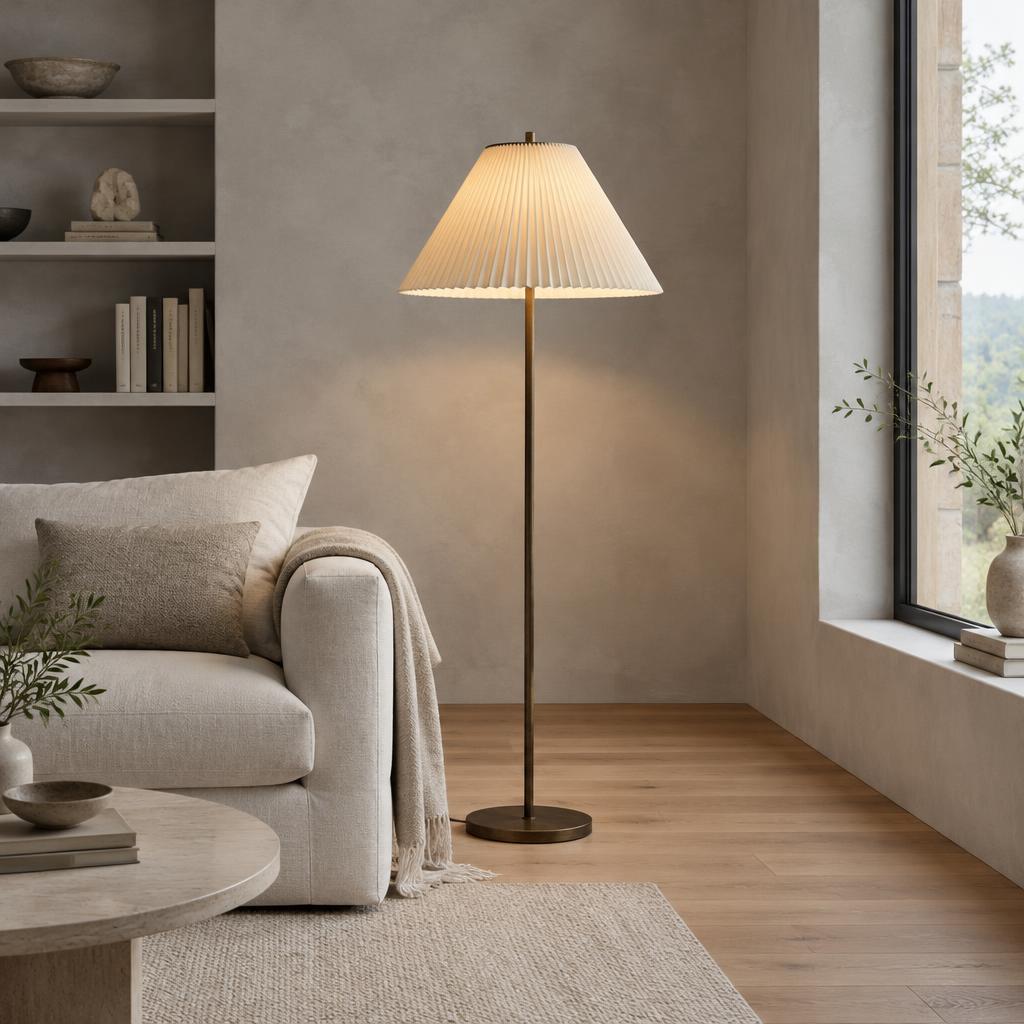
Light is the only element in a room that changes every hour of the day. It is also the cheapest way to make a space feel considered rather than simply furnished. The difficulty is that lighting is easily dated: a fixture can look confident the week it is installed and tired within a few years.
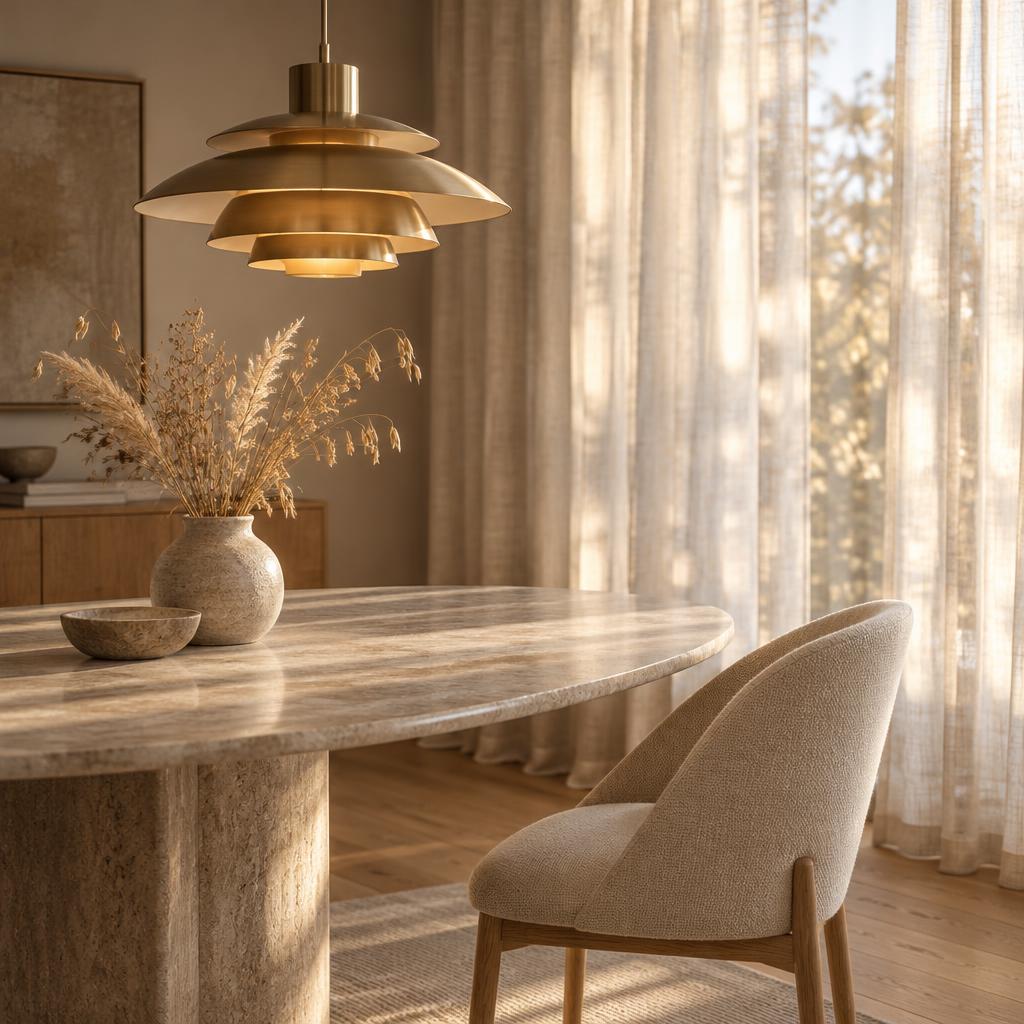
The pieces that last share one quality — they are honest about what they are. A paper shade that diffuses, a brass fitting that ages, an opal globe that softens. Nothing pretends to be something else.
Begin with the layer, not the fixture
Most rooms are lit badly because a single ceiling light is asked to do four jobs. Think instead in layers: a general wash that lets you move safely, task light where hands are working, accent light that gives a wall something to do, and low light for the end of the evening.
A room with three or four sources on separate switches is more flexible than any single dramatic statement piece. You can change the mood of a space without changing anything in it.
Materials that improve with age
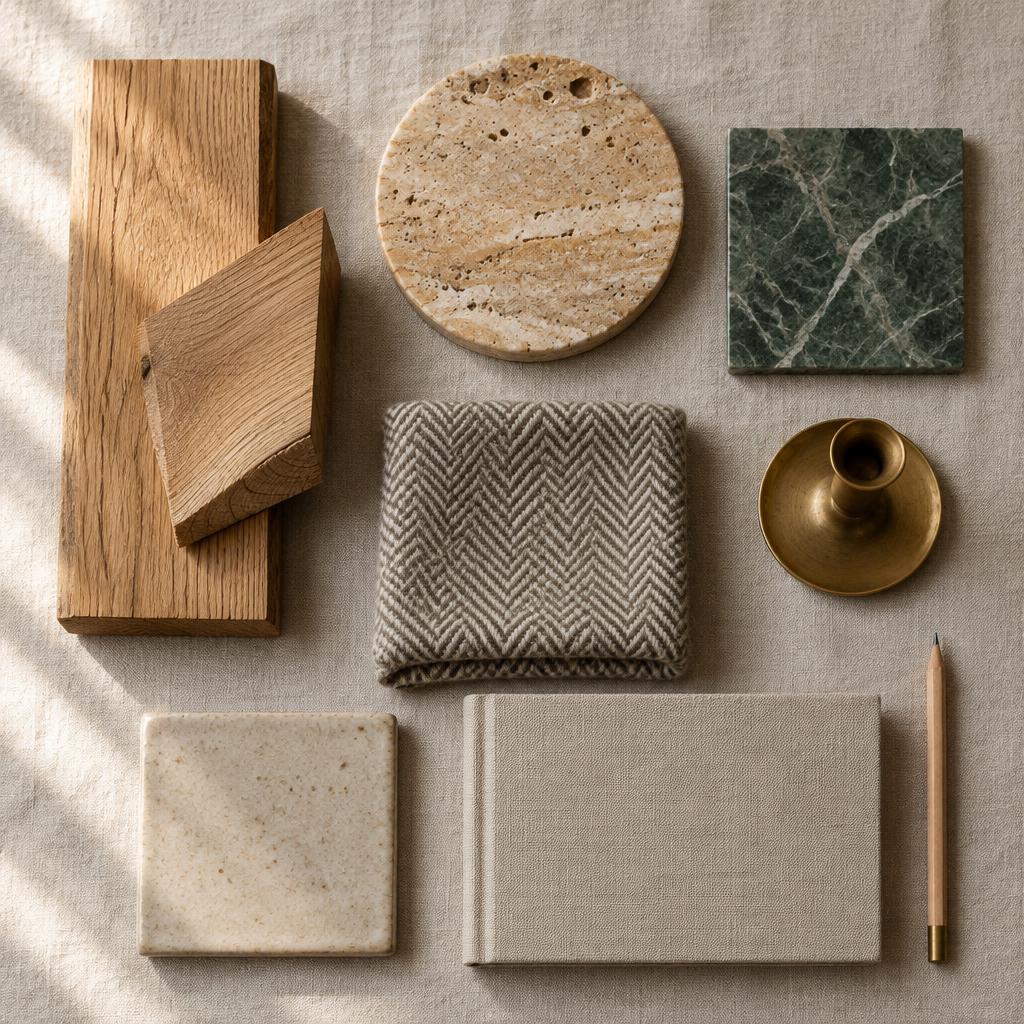
Unlacquered brass warms and darkens where hands touch it. Paper yellows gently but holds its shape. Linen softens. Glass stays exactly as it was, which is why it pairs so well with the others.
What rarely survives is plated finishes over cheap substrates, and integrated LEDs that cannot be replaced. When a fixture is designed so the lamp can be changed, the fixture outlives the light source.
The warmth question
Colour temperature is the smallest decision with the largest effect. Anything above 3000K reads clinical in a home; 2700K is the familiar warmth of an incandescent bulb, and dimming it further makes a room feel later in the evening than it is.
If you remember one thing, make it this: choose fixtures you would still photograph in a decade, then put them on a dimmer.