Lighting · 5 min read · 30 July 2026
Light in layers: the dining room after dark
The room that works for lunch rarely works for dinner. How pendants, candles and a low lamp change one table into three rooms.
A dining room is used for four or five different occasions a week and lit for only one of them. The table is where the day's light is strongest and where the evening's light is most needed, which makes it the room where layers matter most.
The pendant over the table
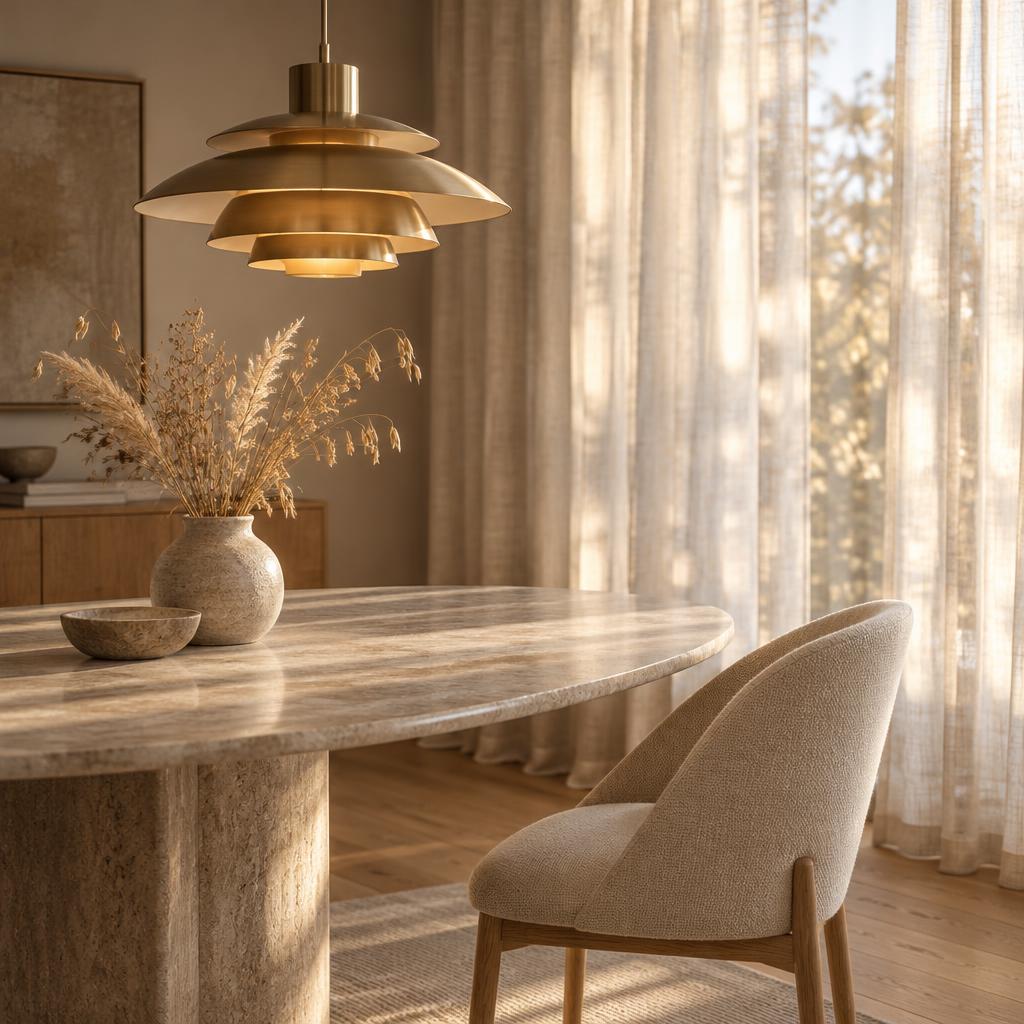
Hang a pendant low — 70 to 80cm above the surface is a good rule for a standard ceiling — so the light falls on faces and food rather than across the room. A large pendant over a small table reads as an error; the fixture should relate to the table's length, usually around half to two-thirds of it.
A layered fixture gives a softer result than a single shade, because the light is broken before it reaches the table.
The second and third sources
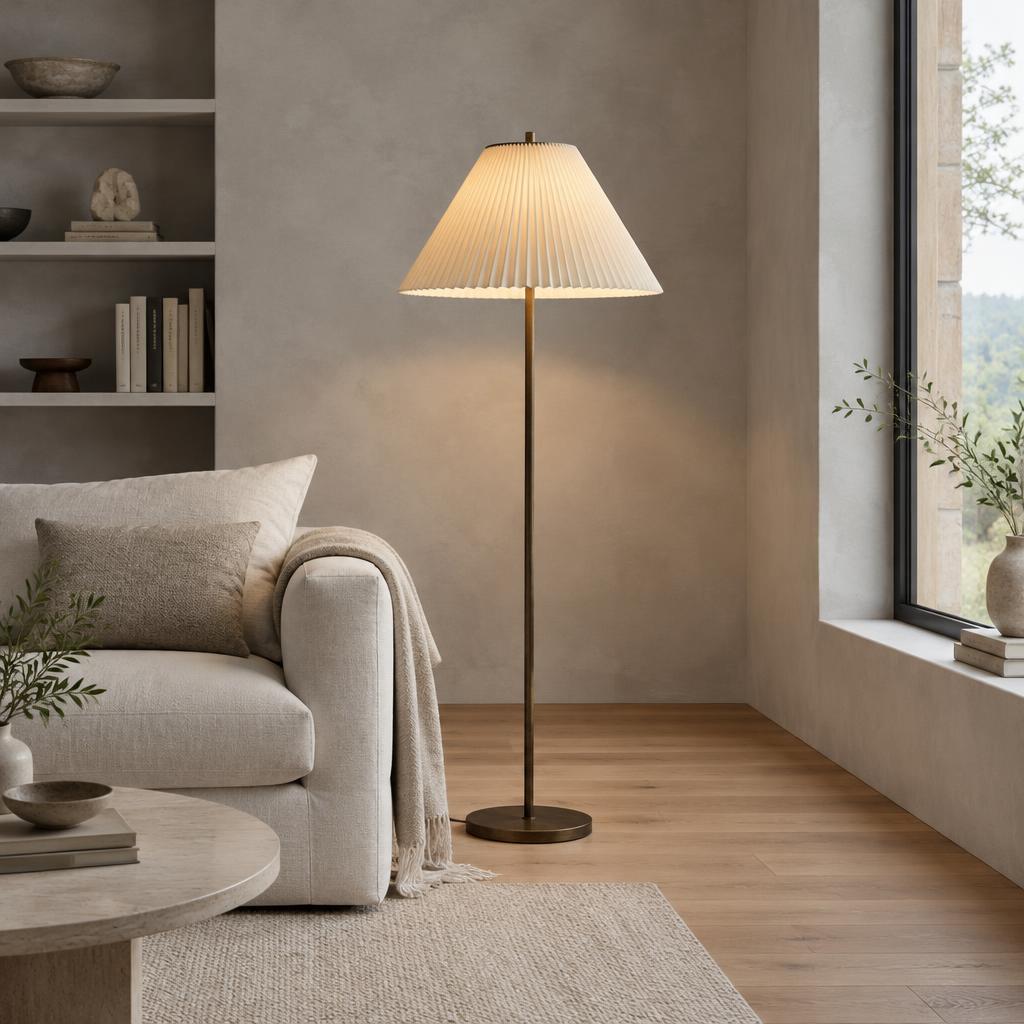
A wall sconce or a low lamp in the corner keeps the room usable after the table is cleared, and stops the pendant from being the only thing left on. Candles do the last layer: at table height they lower everyone's shoulders, and they cost nothing to add.
If the pendant is on a dimmer and the corner lamp has its own switch, one room covers a working lunch, a birthday, and a quiet glass of wine without moving a chair.